Where to See Important Historical and Modern Pottery and Ceramics in Manchester

Manchester has a rich industrial history in cotton and machine engine invention and manufacturing, which changed the entire world. With Britain’s first ‘true’ canal built in Manchester, the Bridgewater Canal (1761), it gave way to the industrial revolution of ceramics in Stoke-on-Trent, allowing clay to be carried more economically from as far as Cornwall, which is rich in Cornwall China Clay and other ceramic materials. While Manchester doesn’t have a great history of ceramics itself, it does have a growing pottery scene and a number of notable galleries and museums to see interesting modern and historical ceramics.

Manchester Art Gallery
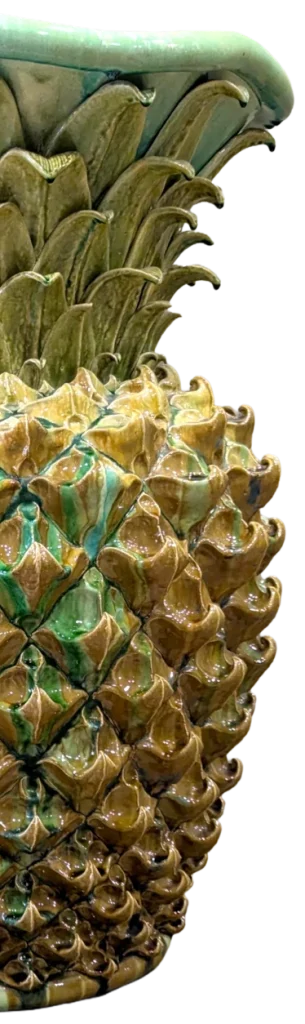
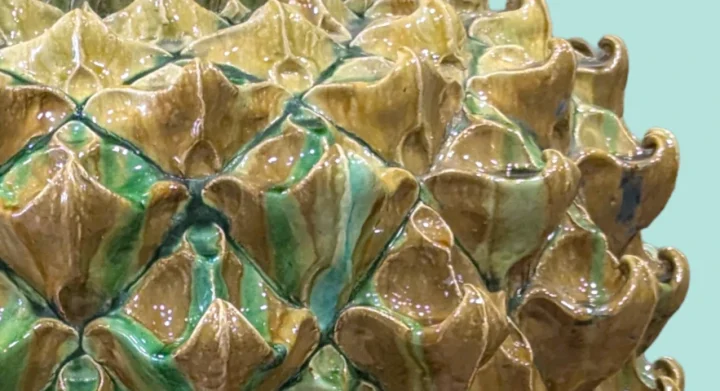
Kate Malone’s Queen Pineapple

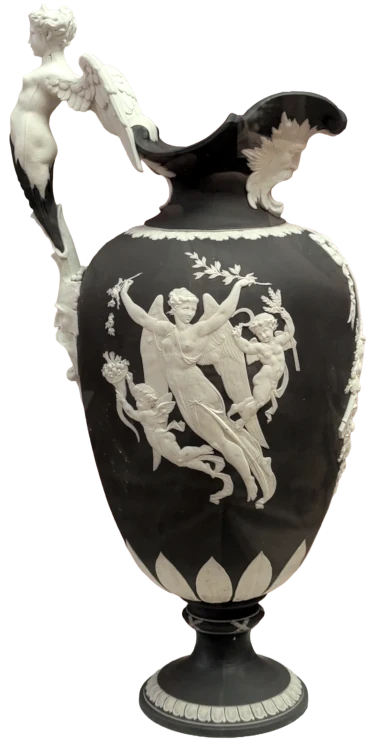
Manchester Art gallery hosts over 3000 pieces of ceramics including the likes of famous contemporary artists such as Grayson Perry, a huge ceramic pineapple by Kate Malone (located by the café), and more historically significant pieces such as Wedgwood’s jasperware, which have been manufactured since 1775. We like a piece by Leah Jensen, a porcelain ceramic vessel, that reportedly took over 130 hours to carve a network of geometric facets, abstractly based on renaissance pictures.
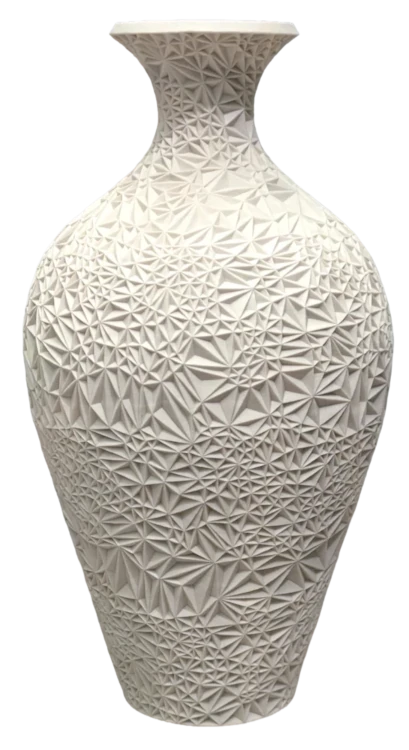
pottery and ceramics in Manchester, carved pot by Leah Jensen

Leah Jensen

Wedgewood’s black & white Jasperware, Peace & War Water Jug 1878
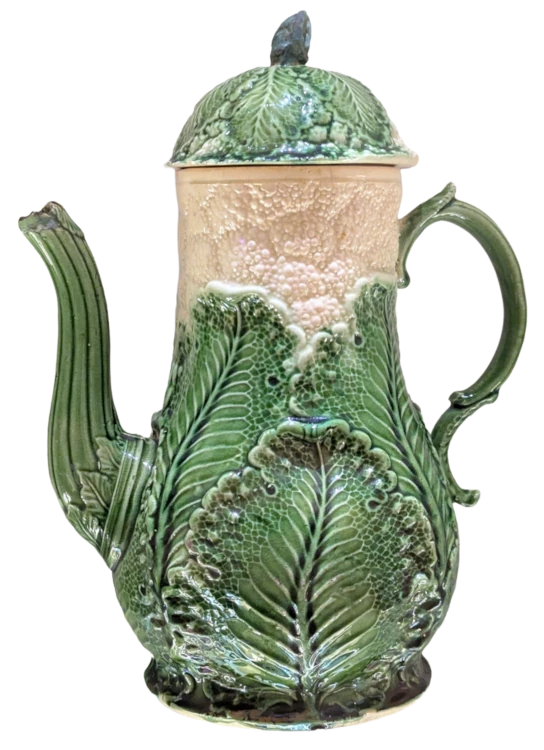
a Cauliflower shaped coffee pot at Manchester Art Gallery

Cauliflower Coffee pot produced in Staffordshire 1760-1780

Janet Boston, curator of ceramics at Manchester Art Gallery says making a recommendation of what to see is like picking a favourite child, but that Manchester Art Gallery is ” best known for the historic collection of early English slipware, plus local factory Pilkington’s Lancastrian Pottery.  Examples of both of these collections, plus a lot of other interesting pieces can be seen in the Study Room, just off Gallery 19, on the second floor.  This room (which some visitors probably miss) contains a display of the highlights from the collection, displayed in chronological order. Besides the aforementioned pieces , there is a rare Korean stoneware ‘moon jar’, and pieces by Walter Keeler, Elizabeth Fritsch and Stella Crofts there.”

Historical Ceramics at Manchester Museum

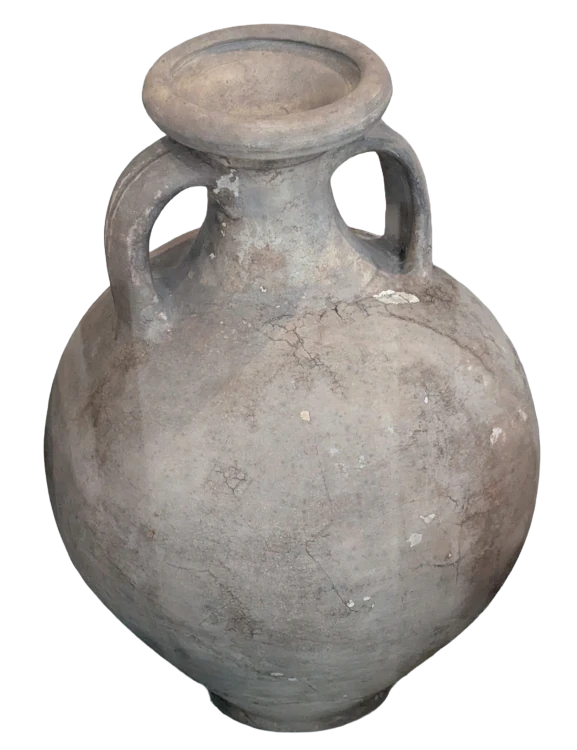
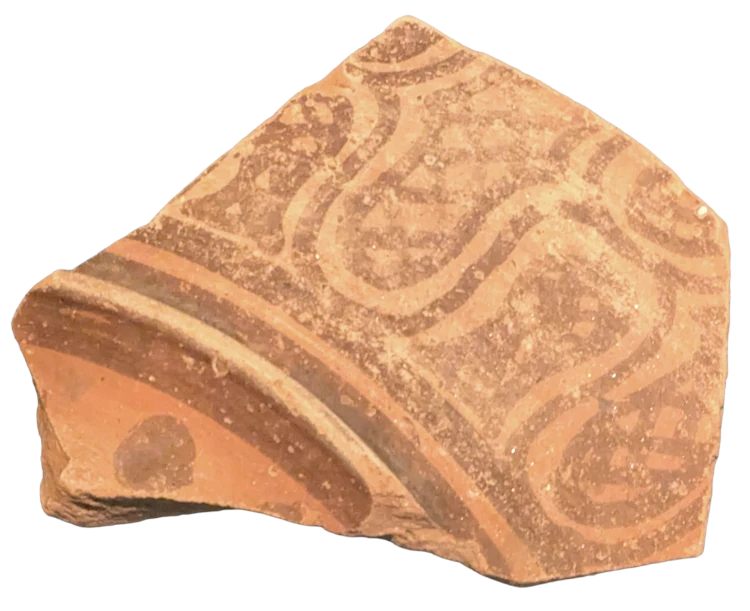
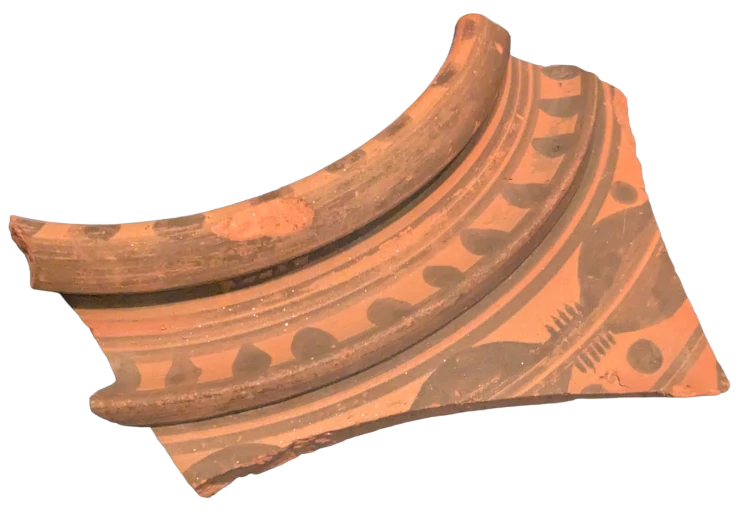
Manchester museum has a large collection of historic ceramics from all over the world and throughout the ages. We spoke to Christopher Griffiths, curator of Archaeology at Manchester Museum, who gave a number of fantastic historic pottery to see in the museum including:

Roman Amphora from Manchester 300-400 AD
2500-2000 BCE pottery shards with painted patterns from lines to loops and fish scales. Found in Pakistan
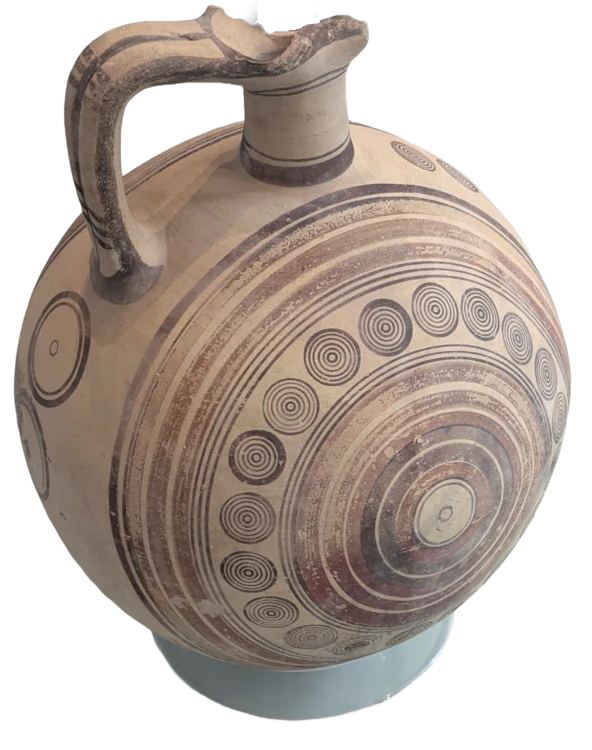
Iron Age (750-600 BC) jug from Cyprus known as an oinochoe
Crane lifted pineapple on top of a chimney in the Northern Quarter

Ceramics in the Northern Quarter

There are a few curious and interesting ceramics in the Northern Quarter. In 1998 Kate Malone had another ceramic pineapple made and crane lifted onto a chimney in the Northern Quarter, it’s on Thomas street above Wolf at the Door. Why the pineapple? Well in the 17th century it was the rarest of fruits and a dinner host would rent a pineapple as the dinner table’s centrepiece to show their hospitality and wealth. It’s something you’d walk past unnoticed unless it was pointed out to you.

Northern Quarter Ceramic Tile Street Signage

Apart from the Northern Quarter Pineapple, another Northern Quarter ceramic staple is it’s street signage. The Northern Quarter urban regeneration in the 1990s had Liam Curtin as lead concept artist. Liam collaborated with Tim Rushton on it’s distinctive ceramic tile street names which are blue on white for streets which are North/South and white on blue for streets which are East/West helping you know your direction.

Buying Ceramics & Pottery in Manchester

Manchester isn’t known for its contemporary ceramics, but the Royal Exchange Theatre did host an excellent craft shop displaying some of the best contemporary ceramic artists in the UK. I remember seeing this fabulous work as a teenager when my mum Wendy, founder of 7 Limes, took us to a theatre show, and we spent sometime looking at the pieces in the craft shop. It has since changed to be more of a mid-range craft and gift shop with a higher focus on jewellery, and there hasn’t been anything in the city to replace this yet.

Blue and white street signs in the Northern Quarter

Shops & Galleries

There aren’t many places to buy handmade ceramics in Manchester at all, however, Form Lifestyle Store, down a quaint street in the Northern Quarter, work with small independent UK makers including some potters. There’s ceramic items in art gallery gift shops such as Manchester Art Gallery, Whitworth Art Gallery, Manchester Museum, and Waterside Arts in Sale, although these collections can be quite minimal in quantity. Then there’s occasional ceramics exhibition at galleries like Contemporary Six who exhibited works by Ken Matsuzaki in 2019.

Shows

There aren’t many ceramics shows in Manchester either, but one where you can see ceramics is the Great Northern Contemporary Craft Fair, a show of 150 designer-makers and craft artists. It’s once a year and usually hosted at Victoria Baths in the Autumn. You’ll likely see a few higher end ceramic pieces at Manchester Contemporary, and a newer show is the Manchester Ceramics Fair. While Manchester’s ceramics scene is beginning to rise in quality, the Fair’s last show reportedly had a packed out room in Whitworth Art Gallery. Lastly and not least there’s our annual Manchester Ceramics market each winter where we open our studio to the public with work from our members, tutors, seconds, and samples on sale for 2 days, AND you can always buy handmade ceramics in Manchester directly from your favourite makers.

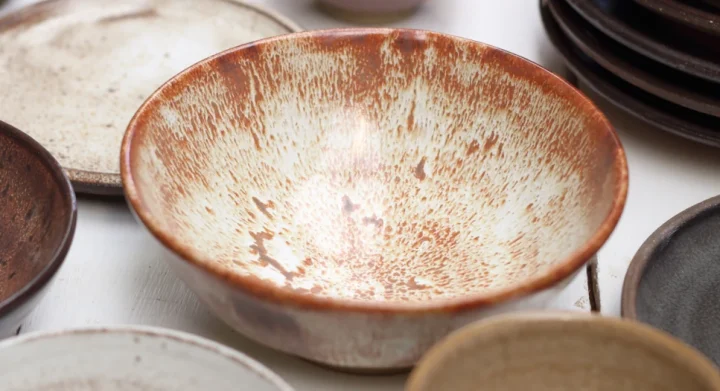
Striped layered clay nerikomi bowl handmade by ceramicist Sam Andrew

Open Studio/ Ceramics Winter Market & Social Fri 5th & Sat 6th Dec 2025

It’s that time of year for our annual Manchester Ceramics market, pottery sale and social. It’ll be our first anniversary celebrating 1 year in our railway arch pottery studio.

Joining us this year will be Pizza Club serving delicious Neopolitan Style Pizzas to order made in house. So grab a pizza, a mug of mulled wine and see our ever evolving ceramics, which range from functional pots to sculptural crocks. Think butter dishes, lemon squeezers, massive mugs, and croissant plates. We’ll have more members showcasing some of their makes for the first time alongside our seasoned tutors. Grab a unique gift for your creative friends and family.

Friday 5th December from 5.30pm until late (arrive before 8pm) with complimentary drinks and pizza by Pizza Club

Saturday 6th December from 10am-4pm.

85 North Western Street

Manchester, M12 6DY

Free street parking, 10 minutes walk from Piccadilly station

Can You Wheel Throw Pottery with Only One Hand?

Wheel Throwing with one hand only, is it possible?

I’ve had a small number of customers in our beginners classes who’ve had missing fingers, born with deformities, and only had one arm. Therefore it’s not possible to throw using the same hand actions and techniques as we’d usually teach. So I set out to see how it feels to throw on the potter’s wheel using only one hand. I wanted to find out whether it is too difficult and how it can be worked around.

Is it possible to centre and wheel throw with one hand?

To test this I chose my left hand (I’m right handed). My right hand kept trying to travel over to the pot and touch it, so I had to hold my left wrist to stop it. It was relatively easy to throw with just my left hand, however when it came to lifting taller, my hand was simply not lengthy enough to grab the clay at the base and carry it up. So it may only be good for small pots, such as bowls and cups, or pieces with only 1 or 2 lifts. It would also work for plates too. However, if you have lost your hand or fingers, but still have your arm, then it would very much be possible to throw taller forms too. Checkout our video demonstrating my test below.

It is possible to throw with one hand or arm!

It may be more difficult than throwing with 2 hands, but with some adaptations of the more classic throwing techniques it is very possible to throw with only one hand. In many cases the second hand or arm just functions to help the other move steadily, Which can be achieved with one arm also. It really shows just how adaptable throwing can be and throwing pots can be achieved through different methods.

Striped layered clay nerikomi bowl handmade by ceramicist Sam Andrew
A demonstration during a Manchester pottery class

3 Reasons Why Taking a Manchester Pottery Class May Be the Creative Activity for you.

Feel in a rut, uninspired, bored, unsatisfied or even lonely? We may be biased, but taking a pottery class in Manchester is the ideal activity to get your thoughts out of your mind and engage in the joy of creatively making pottery amongst a friendly community.

Our Manchester pottery class offers a unique setting to connect with the earth (literally) in a social group, and develop some skills you never knew were possible or even enjoyable to do. Here are 3 reasons why we think a pottery class could be the alternative creative activity in Manchester that suits you this Spring.

1. You’ll be brought into the moment without even realising.

There’s something soothing about smoothing clay through your fingers, coiling sausages of clay into useful containers, and manipulating mud into mugs. The concentration it takes will bring you out of your head and into the present moment, which will leave you feeling a sense of calm.

If you’re looking to de-stress, forget about work or take a break from the kids in Manchester then our pottery studio will help you get creative with clay, so you can zone out, relax and leave feeling like you’ve cleared your mind. You’ll know you’ve enjoyed yourself as the time will fly, it always does.

2. Pottery making in Manchester might give you the inspiration you need.

In the rush of everyday life, balancing work, responsibilities, and constant notifications, it’s easy to lose touch with your creative side. A pottery class offers a refreshing escape, inviting you to slow down, get your hands dirty, and reconnect with your imagination in a truly tactile way. Sometimes trying that new activity, a pottery class, is what will really get you feeling inspired.

You’ll be designing geometric patterns on plates, glazing rustic wheel thrown mugs and maybe even creating your own ceramic art sculpture. Will it be worthy of your living room plinth? Well it doesn’t really matter, you’ll be welcomed into our Manchester pottery studio to experience the joy of learning and making pottery without judgement. You’ll get used to failure, develop your patience, and will even make a great pot or 2 in the process. You can even bring that special someone to a pottery date night in Manchester, so the can feel inspired too, bonding over a new experience. The varied activities and things to do in our Manchester pottery classes will help you develop the skills to express yourself creatively. The making process will fill you with ideas, developing into a passionate craving to make more.

Several terracotta wheel thrown mugs

3. A pottery class will connect you with a creative community in Manchester

One of the unexpected joys of joining a pottery class is the people you meet. Manchester has a thriving creative scene, and stepping into a pottery studio plugs you right into it. Whether you’re a total beginner or have dabbled in ceramics before, you’ll find yourself among others who are curious, open, and up for getting their hands messy.

There’s something wonderfully bonding about sitting around a table, shaping clay, and chatting as you work. Conversations flow easily, encouragement is shared generously, and mistakes often become shared laughs. 

Many of our students say their weekly class becomes something they really look forward to, not just for the pottery itself, but for the community it brings. It’s a chance to connect, learn from each other, and feel part of something creative and supportive right here in Manchester.

So why not try out and book a pottery taster class, see if it’s for you? But if you’re really wanting to connect with those around you get yourself onto a weekly evening or daytime pottery class, where you’ll have the time to develop those skills and get to know your class mates over several weeks.

Can I Still Wheel Throw with Arthritis

Is Pottery a Good Activity for Arthritis? Can you still make pottery on the wheel?

Are you looking for activities to do to help with your arthritis? Making pottery can actually be a really good activity for arthritis. As the saying goes, use it or lose it. The fact is if you’re not moving your arthritic joints, and training the muscles around them, they will deteriorate faster. The Arthritis Foundation says it’s a “myth that activity will cause more pain and joint damage”, and that activity is actually “the best arthritis pain reliever in your toolbox”. 

Note that I’m not a medical professional, and because the approach depends on the type and severity of arthritis, you should always involve your care providers in the management of your symptoms. I however was training to be a Neuropsychologist before changing career to pottery, which offers an interesting insight and psychological perspective.

Is Arthritis a Barrier to Learning Pottery?

In psychology there’s a phenomenon known as illness behaviours. This is where someone assumes the role of a sick individual and reduces their activity, and rests. While short-term rest offers pain relief and initial inflammation reduction, in the long-term it is activity that reduces inflammation in chronic conditions such as arthritis. 

Teaching over 2500 people to throw a pot on the wheel, I’ve found people with arthritis often have a barrier to learning pottery, but that it is their mind set. After failing to put their hands into the correct position initially, I’ve had many people tell me they can’t do it because they have arthritis. What I think happens is that their expectation of not being able to do it prevents them from seeing it through and trying their best. Each occasion I’ve reassured them they can take their time, and that I believe they can get their hands into the right position, but not to do it if it’s too painful. Shortly after, they do get their hands into the right position and successfully throw a pot!

The Research

It is exercise, socialising and engaging in novel activities, such as pottery, that promote good physical, cognitive and mental health. The research shows: 

Exercise, socialising and engaging in novel activities are not separate from each other either. They’re all related, which is why throwing on the pottery wheel gives you a fantastic, creative and fun, low-impact activity, that targets them all:

  • Engaging in fun and creative activities, like pottery, help direct focus away from pain, which reduces stress and depression. 
  • Reducing stress can improve physical health, promoting better immune responses, and therefore physical recovery. 
  • Then of course the physical effects of moving your body strengthens the muscles around your joints, increases bone strength, lubricates the joints, increases blood flow to your joints, reduces inflammation, maintains joint flexibility, improves balance and coordination reducing the chances of falls, all of which reduce inflammation and arthritis related stress.
Stciking a handle onto a wheel thrown pottery mug

Adaptations in Pottery with Arthritis

There are also adaptations for pottery making that a good tutor can give you if you have particular forms of arthritis.

  • You can substitute your fingers for your thumbs on many moves, if pain in your thumbs is problematic.
  • There are alternative techniques for many throwing moves such as lifting clay walls.
  • The wheels can be elevated or lowered to put less impact on your elbows, as these should generally be placed with your elbows at 90 degree angles.
  • You can also slow the wheel down and therefore the force of the wheel will be less.
  • Pulling handles for mugs can be strenuous on the wrist, but other methods of making handles include using a coiler or an extruder, which avoid force on the wrists.
  • Then, after a number of attempts, if you find throwing on the wheel to be too painful, then there is the fantastic world of hand-building, which use a whole set of different movements with your hands, and don’t receive the force of the wheel.

Pottery Making is Good for Arthritis

In conclusion, making pottery can be a very positive way to manage your arthritis, as part of a larger activity regime. The social and engaging activity can reduce your stress and depression levels associated with your arthritis, which has beneficial effects to your physical health as well. Then the physical activity, using and developing your fine motor skills to create sculpture, throw pots on the wheel and express yourself decoratively, helps build up the muscles, strengthen the bones and reduce inflammation around your fingers, hands and arms.

Get booked into your local community pottery studio to try it out. If you’re near Manchester, then try our wheel throwing taster to see if it suits you, or book one of our longer pottery courses in Manchester.

Striped layered clay nerikomi bowl handmade by ceramicist Sam Andrew

References

Bae, Y. S., & Kim, D. H. (2018). The applied effectiveness of clay art therapy for patients with Parkinson’s disease. Journal of Evidence-Based Integrative Medicine, 23, 2515690X18765943. https://doi.org/10.1177/2515690X18765943

Luo, B., Xiang, D., Ji, X., Chen, X., Li, R., Zhang, S., Meng, Y., Nieman, D. C., & Chen, P. (2024). The anti-inflammatory effects of exercise on autoimmune diseases: A 20-year systematic review. Journal of Sport and Health Science, 13(3), 353-367. https://doi.org/10.1016/j.jshs.2024.02.002

Ye, H., Weng, H., Xu, Y. et al. Effectiveness and safety of aerobic exercise for rheumatoid arthritis: a systematic review and meta-analysis of randomized controlled trials. BMC Sports Sci Med Rehabil 14, 17 (2022). https://doi.org/10.1186/s13102-022-00408-2

Khedekar, Sayali & Shimpi, Apurv & Shyam, Ashok & Sancheti, Parag. (2017). Use of art as therapeutic intervention for enhancement of hand function in patients with rheumatoid arthritis: A pilot study. Indian Journal of Rheumatology. 12. 10.4103/0973-3698.199130.

Rustic glazed wheel thrown mugs made in a pottery taster course

Pottery Painting is Rubbish – Why You Will Get So Much More Out of a Wheel Throwing Taster in Manchester

Pottery Painting vs. Proper Pottery: What’s the Difference?

Pottery painting is applying manufactured underglaze colours onto factory-made pots. It’s like saying you’ve made a pizza when you’ve only added toppings to a store-bought base. In the style of Emma Bridgewater, you’ll no doubt be painting cats and love hearts all over until you make yourself sick with granny-core twee cheese. Some pottery painting studios even say you can’t microwave, dishwasher, or pour boiling water into your tea mugs, which is just not proper pottery. With the limited range of brightly coloured underglazes you’ll be missing out on the most interesting things about pottery: making your own pots with your bare hands, and exploring the many magical, rustic and wonderful glazes that are possible.

Pottery Wheel Throwing: Hands-On and Satisfying

Pottery painting doesn’t come close to the satisfaction of making your own pottery. Throwing on the wheel brings you into the moment and demands your full concentration for success. The soft, wet clay soothes through your fingers and expands into useful, functional vessels. There’s nothing like it. It could flop over, buckle or collapse at any point, which is what makes it such an exciting challenge too. People often leave the pottery studio buzzing at their creations with feelings of satisfaction and calm. You can also come back and glaze them yourself to complete the whole piece.

Durability Matters: Proper Pottery You Can Actually Use

One major issue with pottery painting studios is the poor quality of the pottery itself. If they say you can’t microwave, dishwasher, subject the pots to changes in temperature, or submerge the pots in water, that’s a huge red flag. How are you supposed to put boiling water in your tea mug? Will it crack from thermal shock? How are you supposed to wash stained ceramics if you can’t soak them or put them in the dishwasher? Proper pottery is durable.

At our Manchester clay studio, the pots you make are functional and strong. You can:

  • Microwave them without damaging them.
  • Put them in the dishwasher for easy cleaning.
  • Pour boiling water into your handmade tea mugs without worry.

That’s what proper pottery is designed to do.

Try Making & Painting Your Own Pottery Mug

The closest thing we offer to pottery painting is to create and paint your own pottery mug in Manchester. You’ll:

  • Handbuild a cylindrical mug from raw clay.
  • Pull and attach a handle.
  • Decorate it using coloured slips (liquid clay): the way handmade pottery is traditionally decorated.

Once fired and glazed, your mug will be functional, food-safe, and importantly thermal shock resistant, perfect for your morning brew or evening tea.

Pottery Wheel Classes in Manchester: A Hands-On Experience

Pottery painting may be a fun distraction for the kids or a casual drop in activity instead of the pub, but if you’re looking for an experience to remember you’ll want to give the wheel a go. So if you’re ready to trade boring pottery painting in Manchester for the thrill of wheel throwing – Where you’ll be taught by talented potters who create restaurant worthy tableware, then book your wheel throwing taster class at our Manchester studio today. Come and make beautiful durable pottery you’ll be proud to use.

Wheel Throwing Course Manchester

Been thinking about picking up the craft? Looking to get your hands stuck in some mud and let time fly from a hyperfocus on this fine motor-skill task? It’s fun, it’s a challenge, and it’ll give you an extra thing to enjoy your life with. This 12-week wheel throwing course is aimed at not just giving you a go at throwing, but providing you with the proper skills and time needed to do it independently. It’s aimed at both beginners and advanced throwers.

A nice wheel thrown pot from a pottery workshop

We’ve just released it and it will be held in our new pottery space in Piccadilly East/Ardwick at 85 Northwestern Street, M12 6DY in the new year. We’ve extended the classes to 2.5 hours and at £380 we’ve discounted it for the lucky first few to book onto.

You’ll be taught by our master potter Sam Andrew who has been teaching wheel throwing for over 10 years, and has learned pottery since a young age.

Here’s what we were able to get people to achieve in one of our tasters (red clay) and our 2-day throwing workshops this summer (grey clay).

You can book our 12 week throwing course in Manchester or if you’re unable to make the 12 weeks then try your hand at our 2-day throwing workshops or our pottery taster classes to give it a go for the first time.

Front for under the arches Studio move

We’re Moving Studio

Exciting! After 18 years in Moss Side/Whalley range we’re moving. We’ll slowly be growing into the space. Coinciding with our 25th year, and our annual winter open studio our opening event is on 6th December 5.30pm-8pm and 7th December 10am-4pm, where we’ll hold an exhibition, social and sale, with new works by Sam Andrew, the tutors and members of the studio. Come join us, it’s a perfect spot to grab a mulled wine and peruse some unique handmade gifts from functional ceramics for daily use to sculptural ceramic art pieces in this new industrial space.


Location

It’s located at 85 Northwestern Street, M12 6DY. It’s behind Mayfield just off the ring road in between Power League and Curry’s clearance. It’s only 10 minutes walk from Piccadilly station with plenty of free street parking space during the evenings and weekends.

There’s still much to do before the opening including lighting, furniture making, plumbing, and moving over items from the old studio.

All classes, workshops and pottery collections will be at the new space from 6th December onwards.

Young people enjoying making mugs in a pottery class

Mug Hand-building Workshop Manchester (NEW Workshop)

Hand-build and paint your own mug

We’ve just released a new mug hand-building workshop for those of you looking to try pottery out for the first time or just to enjoy a morning or afternoon creative class with a friend. In the class you’ll learn to hand-build your own pottery mug and then finish it off painting it with coloured slips (a liquid clay). Think patterns from the tessellating pop illustrations of Keith Haring to the psychedelic optical dots of Yayoi Kusama, create your own unique design.

Forget pottery painting Manchester, you’ll create your brew vessel from scratch, from messy mud to neatly constructed mug. Manipulate the clay into a slab, create and attach a handle, then finish it off by painting it. You’ll be welcomed into our friendly class and shown the processes of making pottery by one of our expert tutors. We’ve been running classes for over 25 years, so you know you’re in good hands, with our skills having passed down generations from the top potters in the country.

Your mugs will be fired twice, clear glazed and after 3-6 weeks they’ll be ready to pick up. So if you’re looking for an activity to do with a date, or wanting to get into pottery after seeing it on the Great Pottery Throw down, this hand-build a mug workshop is a really good way to start.

A pottery painting class in Manchester

Pottery Painting Manchester

What is Pottery Painting?

Paint-a-pot or pottery painting is a business that operates as a café where you can paint ready made pots. What you say? You don’t make your own pots and then paint them? That’s right, you paint ready made manufactured pots.

We’re not a pottery painting studio, but we do get a lot of calls about pottery painting. We’re a pottery making studio, where you’ll make the entirety of your pot from a lump of clay, manipulating it by hand and tool to create your own masterpieces. You may at this point paint them with slips, a liquid clay, and/or you’ll then glaze (or paint) your pots when they’re fired too. You can try our hand-build a mug pottery class where you’ll paint them too.

Technically potter’s don’t put paint on their pots? Paint is made from plastics, which are far less durable than ceramics, and what pottery makers actually use to colour and finish their pots is glaze, slip, underglaze and oxides. These are made from natural materials, usually different types of rocks and metals. Sometimes potter’s will use a brush to apply these glazes, slips and oxides, and this may be where the term pottery painting comes from, but brushing is just one method of application. You can pour, dip, and spatter your way along with many other techniques.

The ready made pots in a paint-your-own-pot café have already been biscuit fired, so you can apply your glaze to them with a brush. Nothing to do with biscuits, but pottery goes through the process of 2 firings. The first firing is at a low temperature and is called the biscuit firing. It’s called this because the pottery is weak at this temperature and can break like a biscuit. Once a glaze is applied it goes through a second firing to melt the glaze and make the pottery harder.

Pottery painting is a good way to drop in and keep the kids occupied for a bit. However, it hardly compares to the satisfaction and enjoyment of making pottery from mud, with your bare hands. It’s fun manipulating clay into objects you can use and you can also ‘paint’ the pots that you make too. But what is the ‘paint’ that we use?

Pottery Paint

There isn’t such a think as pottery paint, what potteries use is glaze and slip. So what is glaze and slip?

What is Glaze?

In simple terms glaze is a glassy coating made to fit onto the outer layer of a ceramic pot. It makes it impervious to water, food safe and easy to clean. It is just as durable as ceramic and can enhance the strength of a pot helping them to last thousands of years. It can be applied with a brush, perhaps where the term pottery painting comes from, but it can also be poured, dipped or sprayed on.

What is Slip?

Slip is a liquid clay that can be applied to clay pots before they have been fired. It’s used in a decorative fashion to add colour and patterns. It can also be applied with a brush, but sponging, dipping, pouring and slip ‘trailing’ are also common methods. England has a tradition of slipware pottery, and you can see such beautiful examples made by modern potters such as Fitch & McAndrew.

What is Underglaze?

Underglazes are manufactured and pigmented colours within an independent medium that’s not quite slip nor glaze. Underglazes can come in vivid colours, but can also be quite expensive.

What are Oxides?

Metallic oxides are metals in their raw forms, such as iron oxide, copper carbonate, cobalt carbonate, chrome oxide, and manganese dioxide among others. These are the materials (or chemicals) that colour the world.

Pottery painting or Paint Your Own Pot (PYOP) studios usually use a combination of commercially manufactured glaze or underglazes applied to bisqueware (low fired pottery) to paint pottery.

Can you paint pots with paints?

Paints are various concoctions of plastics and chemicals, whereas pottery and ceramics are long-lasting and durable materials that can last thousands and thousands of years. The oldest things we have in the world are pots made by the hands of our ancestors. These can be carbon dated back 24,000-30,000 years old. You can indeed paint pots with paints, there’s nothing stopping you, but you’re devaluing the material, so make sure not to tell me or any other potters that’s what you’re doing, and be careful not to put them in the dishwasher as it’ll melt the paint.

Pottery Painting vs Pottery Making

Pottery painting is like to pottery making what a colouring-in book is to illustration, a trailer is to a movie, or what a ready meal is to a chef. IT’s a way in and a good start to creativity. If you’ve had a go at pottery painting in Manchester, then try a pottery course, to get your hands stuck into clay and create your own masterpieces from scratch. The classes are popular and as such you won’t be able to drop in, you’ll need to book a pottery class in advance. Try our make and paint your own pottery mug workshop or one of our other taster pottery classes in Manchester where you can also learn to throw on the wheel, all of which are perfect for someone looking to have a go for the first time.