
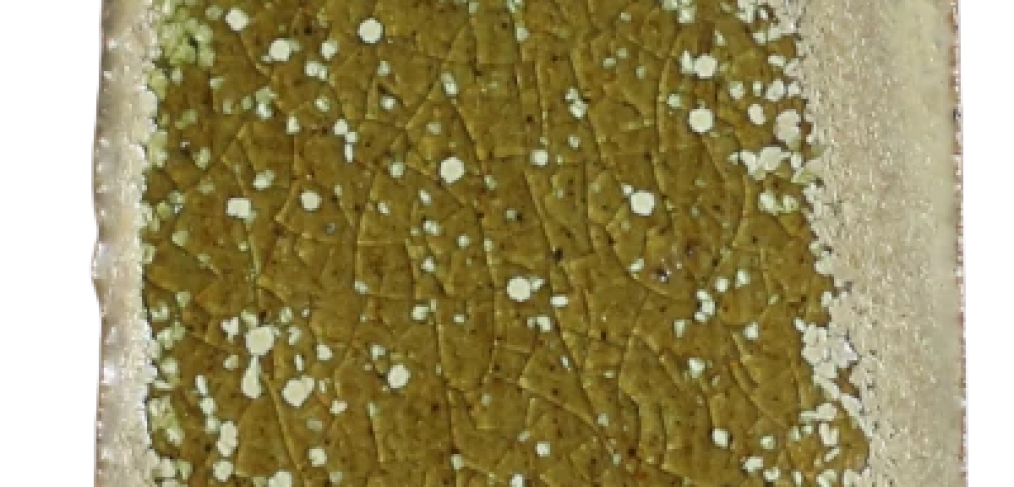
Crazing is a Newtork of Cracks in a Glazed Surface
Most materials expand as they heat up, known as thermal expansion. A glaze is a thin layer of glass on the surface of a ceramic pot, both distinct materials. The rate of thermal expansion of materials can vary. Crazing is a network of cracks that happens in the surface of a glaze when there is a mismatch between the thermal expansion of the glaze and the clay body. When the thermal expansion is different enough between the 2 materials the tension is released by all those tiny cracks. Few and larger cracks in the glaze mean the materials are closer to matching and many small tiny cracks means the match is further apart.
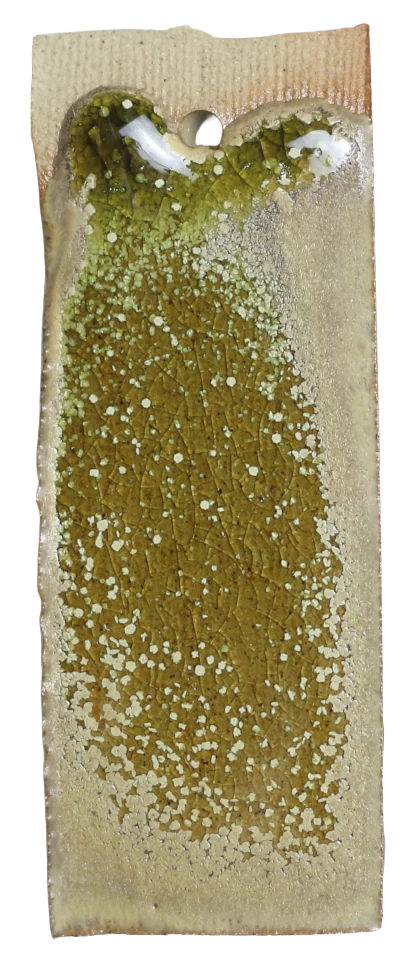
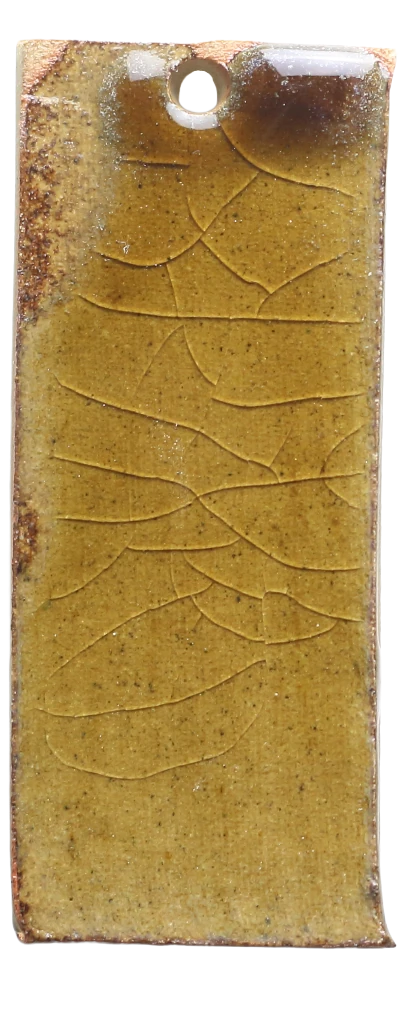
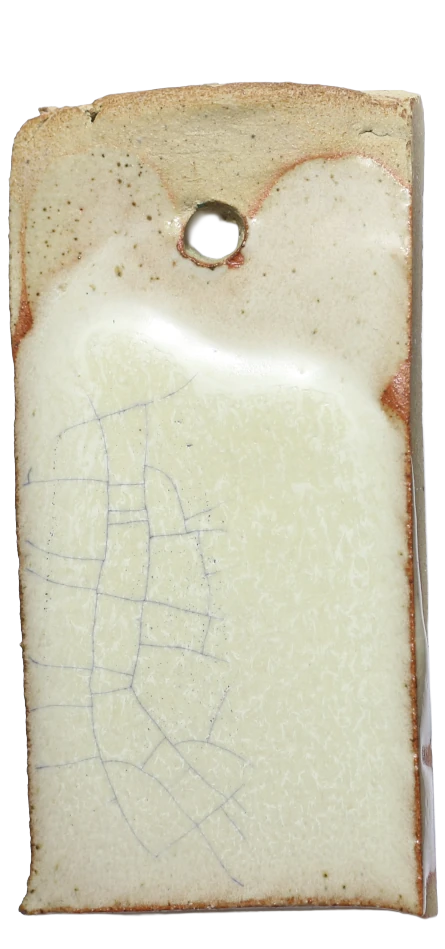
A glazed surface, which is essentially a layer of glass, will make your pots food safe and water tight. This brings the question as to whether it is safe to eat from items with crazing.
Is it Safe to Eat Off Crazed Pottery and Ceramics?
Is crazed pottery food safe? Whether it’s safe to use a cracked or crazed ceramic pot really depends on the vitrification of the clay. Vitrification is when the ceramic is fired to it’s top maturing temperature and the silica in the clay melts filling the ceramic pores. This makes it harder, more durable and importantly non-porous. The issue with food safety and crazing is if the ceramic is porous then water can go through the crazes and inside the ceramic pot. In this situation bacteria can grow. If you imagine milk from a cup of English tea, rotting inside the ceramic surface, that’s what we’re talking about.
However, if the clay has been vitrified then it will be impervious to liquids so far as the craze marks go. Many potters have argued that bacteria can still persist in the craze marks and they would be totally non-food safe. Rather than trusting viewpoints on the potter’s grapevine, scientist Ryan Coppage at Richmond University conducted a study to put this to the test. Coppage purposefully contaminate crazed tiles, and found that simple washing with warm soapy water will kill the bacteria just as well on a crazed vs non-crazed surfaces for vitrified pots. So yes it is safe, as long as it is vitrified and you clean it properly.
How Can You Tell if Your Crazed Pottery is Vitrified?
An easy way to tell if your crazed pot is porous, leave it over night with some water in it. If the surface is wet underneath in the morning then water is passing through it, it is porous.
How Can You Tell if Your Pottery is Crazed?
Sometimes you can’t tell easily whether your pot is crazed or cracked. On transparent and translucent glazes you can litterally see the craze marks, but on opaque and matt glazes you can’t (see above glaze tiles for example). On lighter glazes as they get used they will become dirtied, and then the craze marks will stain and be visible. You can check yourself by drawing with a permanent marker and wiping it back, which will also stain the craze marks. Lastly a dark opaque glaze can be impossible to tell. What you can do is tap it. An uncrazed pot makes a true ringing sound, a crazed pot makes a more dull sound.
People have been successfully eating off crazed wares for thousands of years. While those little cracks in your glaze may look stained, and that could, to the untrained eye, look like bacteria, the science shows that it is safe to eat from crazed pottery as long as its vitrified and washed properly. So bung your pots in the dishwasher for a hands free sterilisation after use.
